Posts

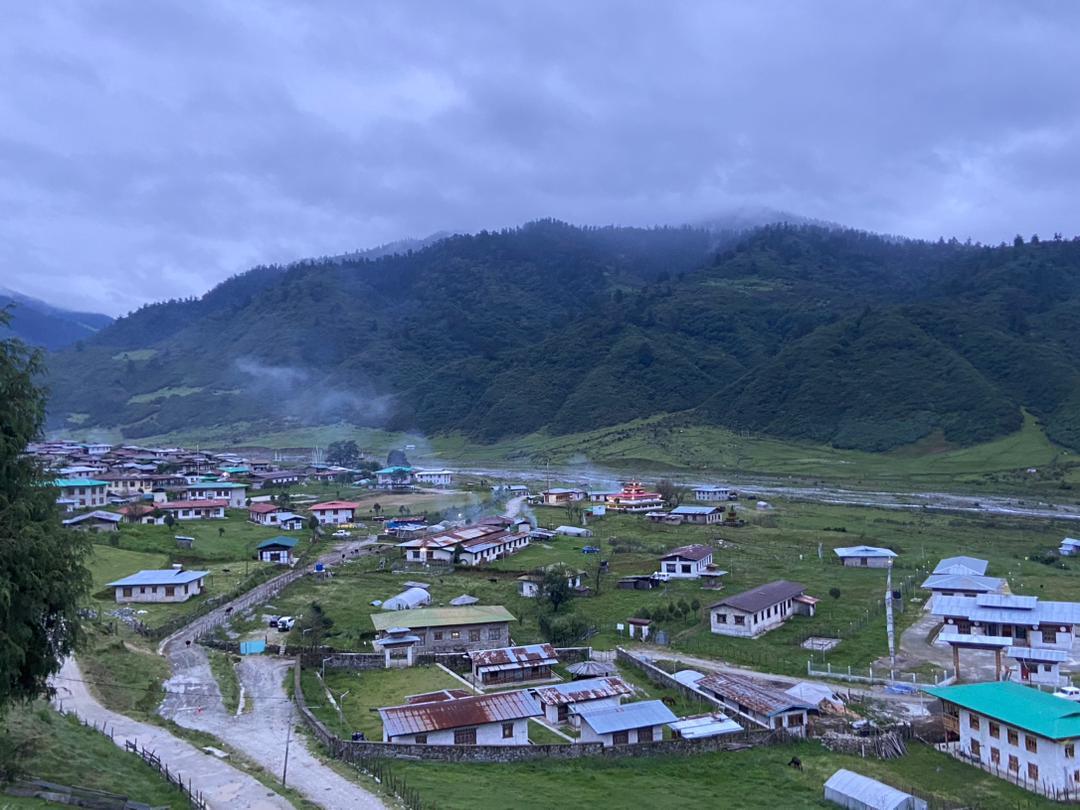
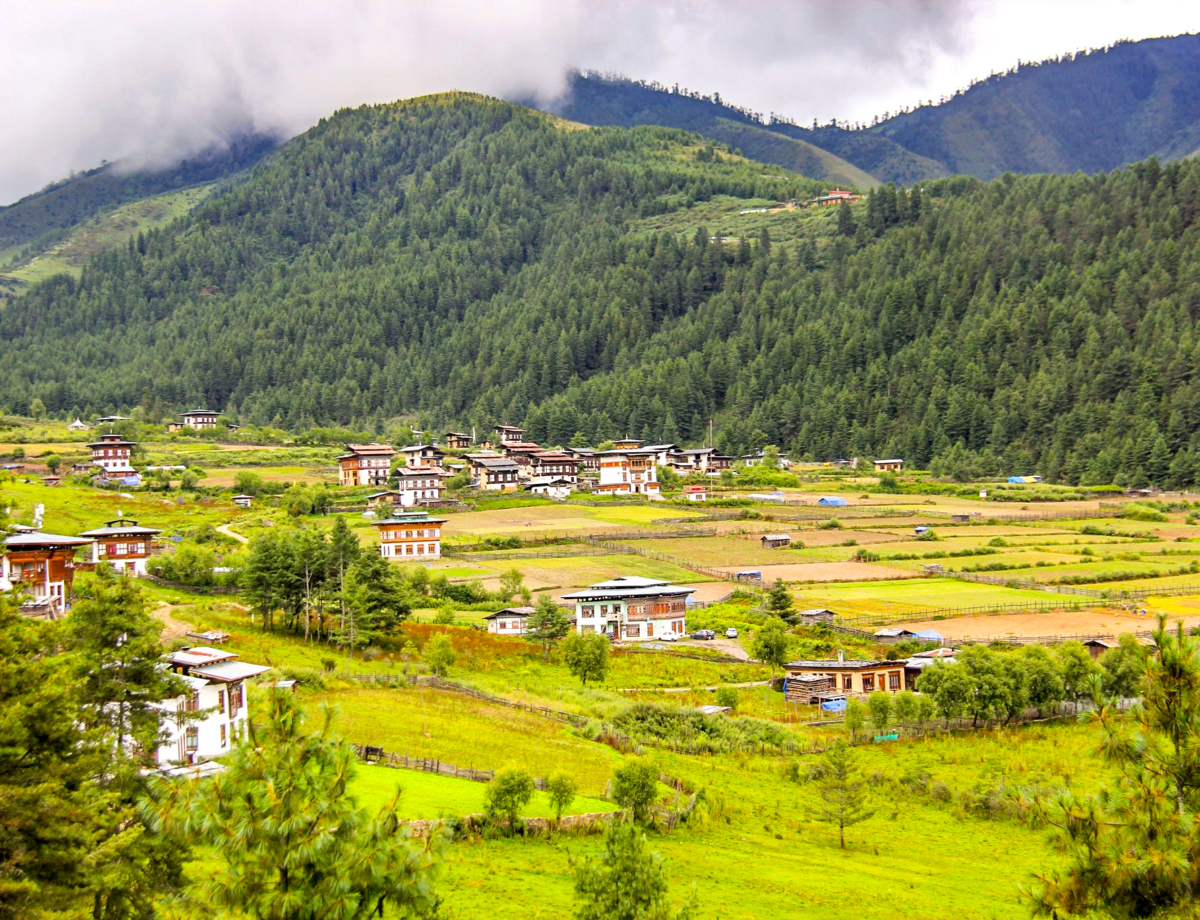
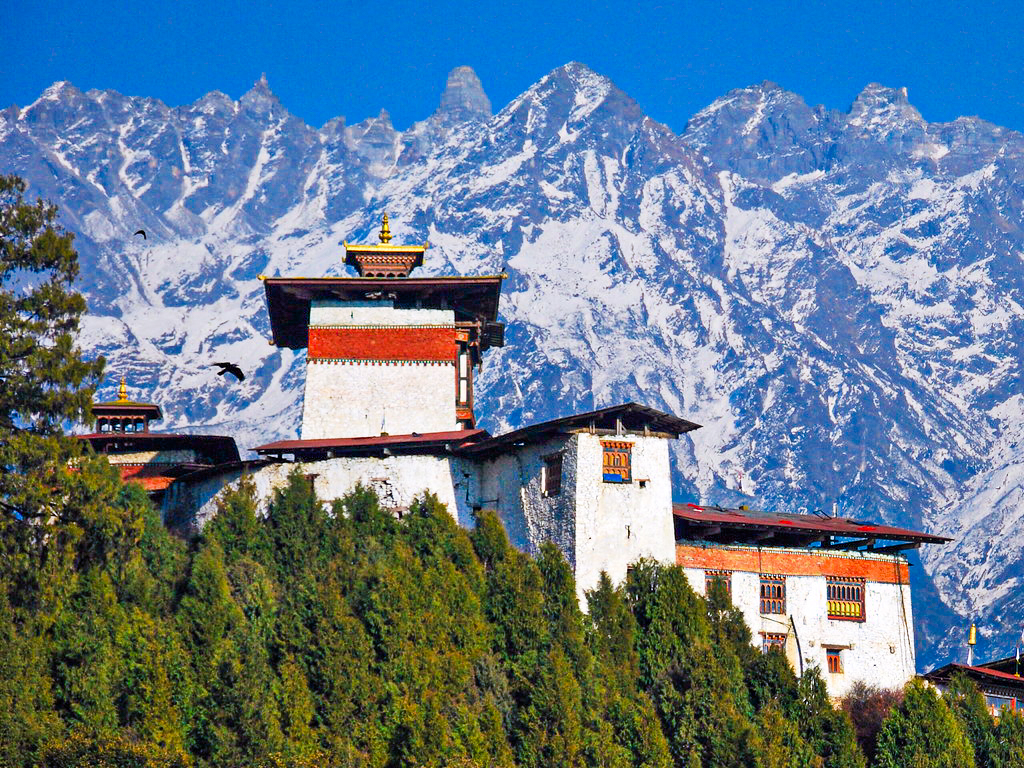
Merak Sakteng: The Highland’s Embrace

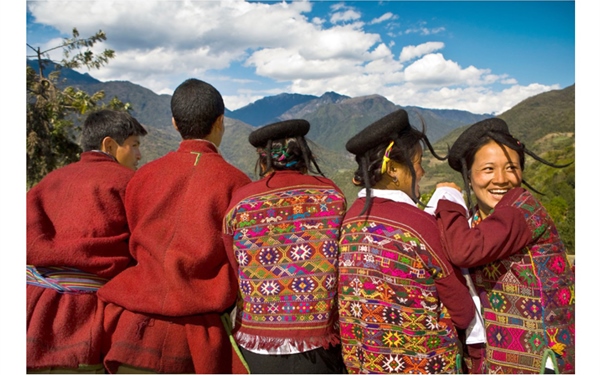
  Merak Sakteng: The Highland’s Embrace Amidst the peaks where the whispers flow, Through valleys where crimson rhododendrons grow, Lies Merak Sakteng, wild and free, A realm of wonder, a land of glee. Yak bells chime in the mountain air, As nomads tread with hearts so rare, Draped in chubas of scarlet hue, Guardians of traditions, proud and true. Clouds descend in a silver dance, Over emerald meadows, they weave a trance, Mystic tales in the zephyrs ride, Of ancient spirits, side by side. Oh, land where the dawn unfolds so bright, Bathed in the Himalayan golden light, Merak Sakteng, in thee I see, A timeless song of serenity.

Quiz Questions about Bhutan

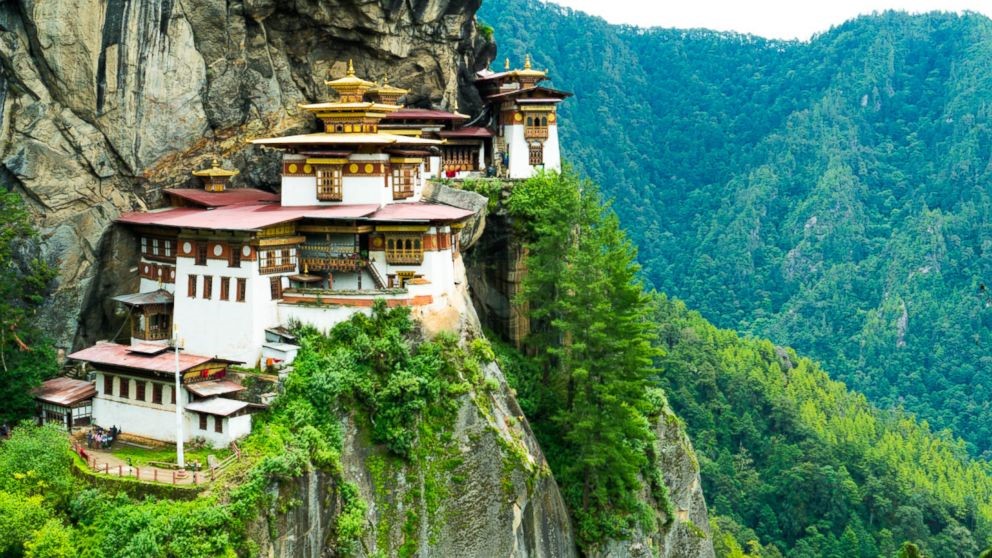
  Quiz Questions about Bhutan What is the capital city of Bhutan? What is the official language of Bhutan? What is the currency used in Bhutan? Which mountain range is Bhutan part of? What is the national animal of Bhutan? What is the predominant religion practiced in Bhutan? When did Bhutan become a member of the United Nations? What does the term "Gross National Happiness" refer to in Bhutan? What is the highest peak in Bhutan? Which river is considered the lifeline of Bhutan? What is the traditional dress for men in Bhutan called? Who was the first king of Bhutan? Which festival is celebrated with masked dances in Bhutan? What is the major export of Bhutan? In which year was the first democratic election held in Bhutan? Which city is known as the "Gateway to Bhutan"? What is the primary staple food in Bhutan? Which UNESCO World Heritage Site is located in Bhutan? What is the common name for the Takin, Bhutan's national animal? What is the...

The Impact of Parental Behavior on Children

Children are profoundly influenced by the environment they grow up in, and parents play a crucial role in shaping their personalities. When parents constantly quarrel in front of their children, it creates a toxic atmosphere that impacts their emotional and psychological well-being. Children from such households often become short-tempered, impatient, and aggressive by nature. They mirror the conflict they witness, internalizing it as a normal way to interact with others. Therefore, it is crucial for parents to understand the long-term consequences of their behavior on their children's development. Parents must prioritize setting a positive example, especially in how they manage disagreements. If conflicts arise, it is essential to address them in private, away from the children. Exposing children to fights not only disturbs their peace of mind but also affects their ability to handle relationships later in life. Parents should aim to model effective communication, mutual respect, ...

རིག་བསྡུར་སྣ་ཚོགས།

  རྫོང་ཁ་དང་པ།   འབྲེལ་སྒྲ་དང་བྱེད་སྒྲ་གི་སྐོར་ལས་རིག་བསྡུར༼རྫོང་ཁ༽། དངོས་པོ་བདག་དང་གཞན་གྱི་རིག་བསྡུར།༼རྫོང་ཁ༽ སྦྱོར་ཚུལ་ཚིག་ཕྲད་ཀྱི་འཇུག་པ། ཚིག་ཕྲད་བཅུ་གཅིག་གི་ཁྱད་པར།༼རྫོང་ཁ་དང་ཆོས་སྐད།༽ སྤྱིར་བཏང་བསྐྱར་ཞིབ། རྫོང་ཁ་གཉིས་པ།   སྲུང་དང་ འབྲི་རྩོམ།

WORLD WAR II (September 1, 1939, to September 2, 1945)

  How World War II Started: World War II started on September 1, 1939, when Germany invaded Poland. This invasion prompted Britain and France to declare war on Germany on September 3, 1939, marking the official beginning of the conflict. 1. Treaty of Versailles and Economic Hardships:    - The Treaty of Versailles (1919) imposed heavy reparations and territorial losses on Germany, causing widespread economic hardship and resentment. This created fertile ground for extremist ideologies and leaders. 2. Rise of Totalitarian Regimes:    - In the 1920s and 1930s, totalitarian regimes rose to power in several countries, including Adolf Hitler’s Nazi Germany, Benito Mussolini’s Fascist Italy, and militarist Japan. These regimes pursued aggressive expansionist policies. 3. Expansionism and Appeasement:    - Hitler’s Germany began rearming and expanding its territory, violating the Treaty of Versailles. Key events included:      - Remilitarizatio...

WORLD WAR I (1914-1918)

World War I, also known as the Great War, began in 1914 and ended in 1918. Here’s a brief overview of its origins and resolutions: How World War I Started: Pc.net 1. Assassination of Archduke Franz Ferdinand:    - The immediate trigger for World War I was the assassination of Archduke Franz Ferdinand of Austria-Hungary and his wife, Sophie, on June 28, 1914, by Gavrilo Princip, a Bosnian Serb nationalist, in Sarajevo. 2. Alliance System:    - Europe was divided into two main alliance systems: the Triple Entente (comprising France, Russia, and the United Kingdom) and the Triple Alliance (comprising Germany, Austria-Hungary, and Italy). These alliances meant that a conflict involving one country could quickly involve others. 3. Militarism and Arms Race:    - The major powers had been building up their military capabilities and stockpiling weapons. This arms race contributed to a sense of inevitable conflict and made mobilization for war faster. 4. Nationalism...

Atomic Habits- James Clear(Book Review)

  "Atomic Habits" by James Clear is a comprehensive guide to understanding and implementing small, incremental changes to achieve significant results in personal and professional life. The book's central premise is that tiny changes, or "atomic habits," can compound over time to produce remarkable outcomes. Clear emphasizes the importance of focusing on 1% improvements in various aspects of life, arguing that these small changes are more sustainable and less daunting than attempting massive transformations. Clear introduces the concept of the habit loop, which consists of a cue, a craving, a response, and a reward. By understanding and manipulating these components, individuals can effectively build new habits and break bad ones. He also discusses the importance of identity in habit formation, suggesting that the most effective way to change behavior is to focus on who you wish to become rather than what you want to achieve. This identity-based approach encoura...

Shechen Rabjam Rinpoche

Shechen Rabjam Rinpoche , also known as Shechen Rabjam Kunzang Pema Namgyal, is a prominent Tibetan Buddhist teacher in the Nyingma tradition. He was born in 1966 in India, into the esteemed Rabjam lineage of the Shechen Monastery. He is the grandson of the renowned Dzogchen master Dilgo Khyentse Rinpoche, from whom he received extensive teachings and training. Rabjam Rinpoche is recognized as the seventh incarnation of the Rabjam lineage, which traces back to the 17th century. His early education and training were deeply influenced by his grandfather and other eminent lamas, encompassing a comprehensive study of Buddhist philosophy, ritual practices, and meditation. In addition to his traditional training, Rabjam Rinpoche has played a significant role in the preservation and continuation of Tibetan Buddhist teachings and culture. He oversees the Shechen Monasteries in Nepal and India, which are important centers for spiritual learning and practice.  Under his guidance, the Shechen...

བྱིས་པ་དག་ཡིག། ས་པཎ་ཀུན་དགའ་རྒྱལ་མཚན།

༡) རྩ་བར།      ཀ་ར་ཀུ་ཤུའི་ཞལ་ཟས་དང༌། །ཀ་བ་ཀོ་བ་ཀ་རྐྱང་ཡིན། །སྐོར་བ་སྐོར་དང་སྐོར་མཛོད་དང༌། །ས་མཐའ་སྐོར་བ་ས་སྐོར་ཡིན། ། རྒྱལ་བའི་སྐུ་ནི་ས་སྐུ་ལ། །རྐུན་མ་དག་ནི་ར་རྐུན་ཡིན། །ཀུ་ཅོ་བྱེད་པ་ཀུ་རྐྱང་ལ། །ལྐུགས་པ་དག་ནི་ལ་ལྐུགས་ཡིན། ། ༡༽ ཀ་ར།  ༡ གུར་གྱི་ཀ་རྒྱུག་གི་མིང་ཡིན། དཔེར་ན། ཀ༵་ར༵་བཞིན་དུ་དྲང་དགོས། །ཁ་བ་བཞིན་དུ་དཀར་དགོས། ། ༢ བྱེ་མ་ཀ་ར། ཤེལ་ཀ་ར། བྱེ་རིལ་སོགས་ཀྱི་སྤྱི་མིང་ཡིན་ནོ། ། ༢༽ ཀུ་ཤུ།  ཆུ་ལྡན་གྱི་ཤིང་ཏོག་མངར་མོ་ཞིག་གི་མིང༌། དེ་ལ་རིགས་མི་འདྲ་བ་མང་པོ་ཡོད་ཀྱང་ཁ་དོག་གི་ཆ་ནས་དམར་ལྗང་གཉིས་ཙམ་ཡོད། ཁོང་ནི་ཀུ་ཤུའི་ཚོང་པ་རེད། རང་གིས། ཞིམ་མངར་ཟས་མཆོག་ཀུ༵་ཤུ༵་རེ། །ཆད་མེད་ཉིན་ལྟར་མཆོད་གྱུར་ན། །ཡུལ་གྱི་འཚོ་བྱེད་མཁས་ན་ཡང༌། །ལྟོགས་ཤི་ཐེབས་ཞེས་མཁས་པས་གསུངས།། ལྟ་བུ། ༣༽ ཞལ་ཟས།  ཁ་ཟས་སྤྱིའི་ཞེ་ས་སྟེ། ཞལ་ཟས་རོ་བརྒྱ་དང་ལྡན་པ་ལྟ་བུ། ༤༽ ཀ་བ།  ཁང་པའི་གདུང་མ་འདེགས་བྱེད། དཔེར་ན། ཀ༵་བ༵་བཞིན་དུ་བརྟན་དགོས། །མདའ་མོ་བཞིན་དུ་དྲང་དགོས། ། ༥༽ ཀོ་བ།  མཛོ་གཡག་རྟ་གླང་སོགས་ཀྱི་པགས་པ་མཉེས་པ་དང་མ་མཉེས་པ་སྤྱིའི་མིང༌། དཔེར་ན། ཀོ་གྲུ། ཀོ་མཁན། ཀོ་སྐྱི། ཀོ་སྒྲོག ཀོ་གདན། ཀོ་དམ། ཀོ་ལྷམ། ཀོ...

I LOVE MY COUNTRY

Slide 1 Slide 2 Slide 3 Slide 4 Slide 5 Slide 6 Slide 7 Slide 8 Slide 9 Slide 10 Slide 11 Slide 12 Slide 13 Slide 14 Slide 15

དྲན་གཏམ།

མདོ་རྒྱ་ཆེར་རོལ་པ་ལས།

སྲིད་གསུམ་མི་རྟག་སྟོན་ཀའི་སྤྲིན་དང་འདྲ།།
འགྲོ་བའི་སྐྱེ་འཆི་གར་ལ་བལྟ་དང་མཚུངས།།
འགྲོ་བའི་ཚེ་འགྲོ་ནམ་མཁའི་གློག་འདྲ་སྟེ།།
རི་གཟར་བབ་ཆུ་ལྟ་བུར་མྱུར་མགྱོགས་འགྲོ།

༉ ང་བཅས་རའི་ རྒྱལ་ཡོངས་སྐད་ཡིག་ རྫོང་ཁ་ལུ་ སྤྲོ་བ་བསྐྱེད་གནང་མི་ལུ་ དགའ་ཚོར་སྦོམ་ཡོད། རྩོམ་རིག་ གཟིགས་འདོད་ཡོད་མི་ཡོངས་ དུས་ནམ་རང་འབད་རུང་ བྱོན་པར་ལེགས་སོ་ཡོད། ཁ་གསལ་སྦེ་ འབྲེལ་བ་འཐབ་ནི་གི་དོན་ལུ་ གློག་འཕྲིན་ཁ་བྱང་ tashidorji2107@gmail.com ནང་འབྲེལ་བ་འཐབ་གནང་།